
Indoor Leak Check: Your Quick Self‑Audit Guide
Stop leaks before they cost you.
Hidden drips and small leaks can waste surprising amounts of water—driving up your bill and potentially causing damage or mold in your home. The good news? It only takes a few minutes to check.
Take a quick look today and save tomorrow.
Walk through your home, check fixtures, and catch water waste early. Your home—and your wallet—will thank you.
Small actions add up to big savings—start your self-audit today!
Don’t Flush Money Away: Check for Toilet Leaks

Check for a Flapper Leak
- Remove the lid from your toilet tank.
- Add a few drops of food coloring (or a dye tablet) to the tank water.
- Wait 25–30 minutes—don’t flush or use the toilet during this time.
- Take a look in the bowl: If you see color in the bowl, you’ve got a leak.
What it means:
The flapper (flush valve seal) is likely worn. If you touch it and notice black residue coming off, it’s time for a replacement.
Check for an Overflow Leak
- Remove the tank lid.
- Add food coloring or a dye tablet to the tank.
- Gently stir the water with a long spoon or stick.
- Wait 25–30 minutes—again, don’t flush.
- Check the bowl:
- If colored water appears, water is leaking through the overflow tube.
What to look for next:
- Float issue: Lift the float slightly. If the water stops running, it may need adjustment.
- Fill valve problem: If you hear hissing or squealing, the fill valve may be misadjusted or worn out—try adjusting it or replacing it if needed.
✅ Quick tip: Most toilet leaks are inexpensive and easy to fix—and catching them early can save you money every month.
Check Your Swamp/Evaporative Cooler for Hidden Leaks
Keep your cooler running efficiently—without wasting water or causing damage. A quick check goes a long way.
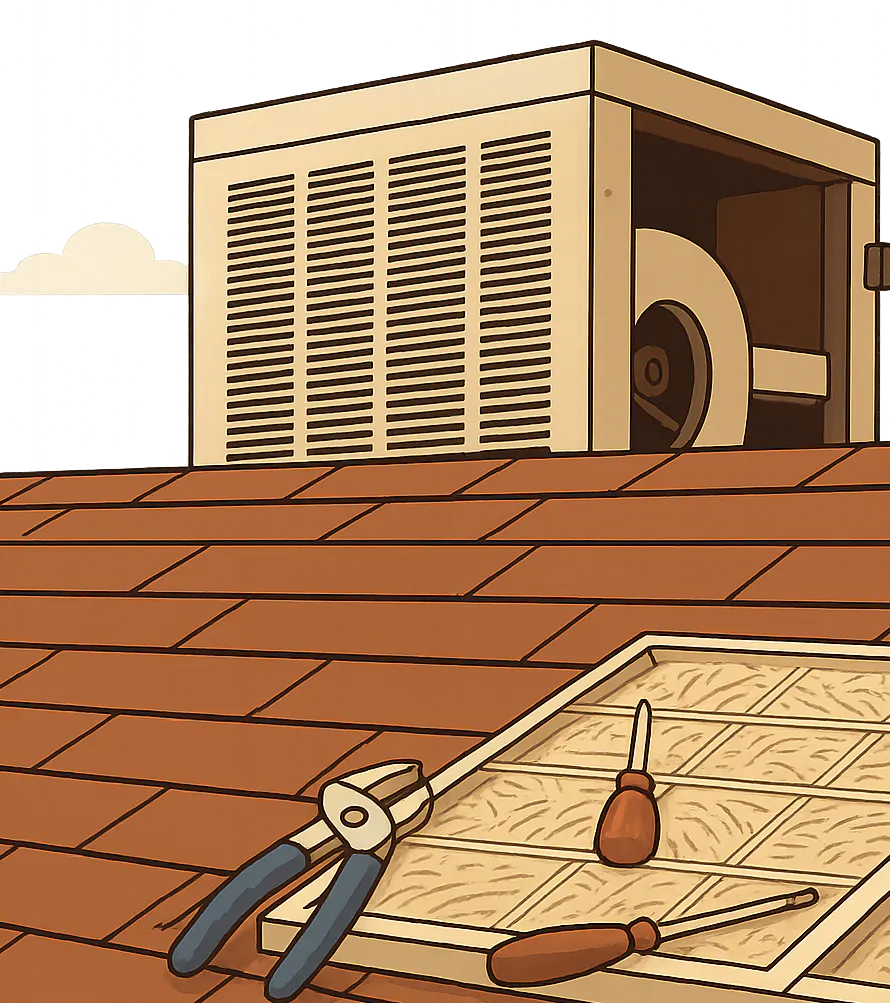
- Start with a visual scan: Look around the base of the unit and roof (if applicable) for puddles, damp spots, or water stains.
- Inspect water lines: Check the supply line and connections for cracks, bulges, or loose fittings.
- Turn it on: Run the cooler and watch closely—leaks often show up once water starts circulating.
- Check the reservoir/pan: Make sure it’s holding water properly and not overflowing or dripping.
- Inspect the float valve: If water keeps running or overflowing, the float may need adjustment or replacement.
- Look at the pads: Excessive dripping or uneven wet spots could mean clogged or worn pads that need cleaning or replacing.
✅ Pro tip: Seasonal maintenance (before peak use) helps catch leaks early, improves cooling efficiency, and extends the life of your unit.
A few minutes now can prevent water waste, roof damage, and costly repairs later.
Check Your Sink for Sneaky Leaks

- 👀 Start at the faucet: Watch it for a minute—any drips mean water (and money) going down the drain.
- 🔍 Look below: Open the cabinet and inspect hot and cold supply lines for bulges, cracks, or wear.
- 💧 Turn it on: Run the faucet and keep an eye on the pipes—leaks often show up under pressure.
Good news: Many sink leaks are quick, DIY fixes. With help from trusted tutorials—like EPA WaterSense videos—you can often fix the problem in minutes.
Hidden Leaks in Your Bath & Shower? Find Them Fast

🔧 Test the faucets: Turn them on and off to make sure they work smoothly—no drips, no sticking.
🚿 Switch to shower mode: When you divert water to the showerhead, flow from the tub spout should stop completely. If it doesn’t, you could be losing water.
💧 Check your flow: Don’t have a flow bag? No problem—use a known-size bucket and time how long it takes to fill for a rough estimate.
Keep things flowing efficiently:
- Replace faucet aerators every 3–5 years
- Upgrade showerheads every 7–15 years
- Remove buildup by soaking showerheads in calcium, lime, and rust remover
- Switch to high-efficiency fixtures—easy to install and available at most hardware stores
👉 Small upgrades + quick checks = big water savings.
Hidden Kitchen Leaks? Here’s Where to Look
Your kitchen works hard—make sure it’s not quietly wasting water. Don’t forget to check the kitchen sink, too!
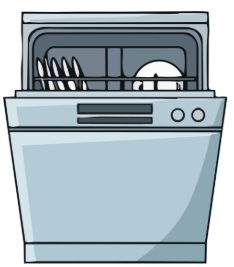 Dishwasher
👀 Take a quick look: Check around the base and door for drips or moisture.
🔍 Look underneath: Open the cabinet (if accessible) and inspect water supply lines for cracks, bulges, or wear.
💧 Run a cycle: Watch for leaks while it’s operating—some only appear when water is flowing.
 Garbage Disposal
👀 Check the connections: Look where the disposal meets the sink and pipes for moisture or dripping.
🔍 Inspect the lines: Make sure hoses and fittings are secure and not worn or bulging.
💧 Turn it on with water running: Watch carefully for leaks during operation.
 Ice Maker
👀 Inspect behind the fridge: Check the water line for kinks, cracks, or loose connections.
🔍 Feel the line: Look for weak spots or bulges in the tubing.
💧 Check while in use: Make sure there’s no leaking as the ice maker refills.
⚠️ Big warning: Even a small issue with your ice maker line can lead to major water loss—up to 2 gallons per minute, or more than 86,400 gallons a month if left unchecked. Regular inspections can prevent serious waste and costly damage.
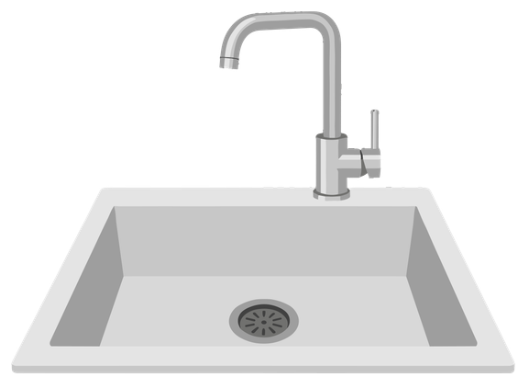 Don’t Forget the Kitchen Sink!
👀 Watch the faucet for drips
🔍 Check supply lines under the cabinet
💧 Run water and watch for leaks under pressure
✅ Many small leaks are easy fixes with online tutorials (like EPA WaterSense). Catch them early and save water, money, and hassle.
Don’t Let It Leak: Check Your Laundry Room Today
A quick check can keep your laundry room leak‑free and your water bill under control—don’t forget nearby fixtures like your sink, too!
Check Your Washing Machine for Hidden Leaks
👀 Start with a visual check: Look around the base of the machine for puddles, damp spots, or signs of past leaks.
🔍 Inspect the hoses: Check hot and cold water supply lines for cracks, bulges, or loose connections.
💧 Run a cycle: Turn on the machine and watch the hoses and connections while it fills and drains—leaks often show up during use.
🌀 Check the drain hose: Make sure it’s securely connected and not kinked or worn.
 Don’t Forget the Nearby Sink!
- Watch the faucet for drips
- Check supply lines under the cabinet
- Run water and look for leaks while it’s in use
✅ Good to know: Washing machine hoses should be replaced every 3–5 years to help prevent unexpected leaks. Catching small issues early can save you from big repairs later.
Where Does Your Water Go?
Ever wonder how much water you really use every day?
From morning showers to running the dishwasher, it all adds up—often more than you think.
Take a look at the table below to see typical household water use and how much water each activity can consume. You might be surprised by which everyday habits use the most—and where small changes can lead to big savings.
Why it matters:
Understanding your water use is the first step to reducing waste, lowering your bill, and protecting a valuable resource.
Explore the numbers, spot opportunities to save, and start making every drop count.
Typical Usage |
Usage of Water in Gallons |
|---|---|
1 Bath |
42 |
1 Shower |
17 |
30 Showers |
510 |
Running the tap while brushing teeth |
1.3 |
Shaving |
2 |
Wash 1 load of clothes |
45 |
Run dishwasher |
5 - 13 |
Flush toilet |
3 |
Hosing driveway |
13 - 26.5 |
Washing the car with a running hose |
26.5 - 80 |
Watering your garden for 2 hours |
5 Gallons Per Minute or 18,000 Gallons Per Month |
Drip Irrigation |
1 Gallon Per Minute or 43,200 Gallons Per Month |
