
Yard Watering Best Practices
Build a Stronger Lawn—In Any Season
Whether it’s a drought year or a normal watering season, how you care for your lawn makes all the difference.
Smart watering and simple maintenance help your lawn grow deeper roots, stay healthier, and use water more efficiently—year-round.
A well-trained lawn isn’t just greener—it’s tougher, more resilient, and better prepared for whatever conditions come next.
.png?ixlib=rb-1.1.0&w=2000&h=2000&fit=max&or=0&s=7e746c6c3a98be2940049372ef3e2914)
Water Smarter, Not More
More water isn’t always better. Lawns thrive when they’re watered correctly—not constantly.
- Water deeply and less often
- Aim to soak soil 6–8 inches deep
- Adjust frequency based on weather (less during cooler or wetter periods)
- Water between 6 PM and 10 AM to reduce evaporation
Deep roots help your lawn stay strong in both wet and dry conditions.

Mow High for Healthier Grass
Keeping your grass at 3–4 inches helps year-round by:
- Shading the soil
- Reducing moisture loss
- Protecting roots from heat and stress
A taller lawn naturally uses water more efficiently.

Leave Grass Clippings Behind
Grass clippings act as natural mulch and benefit your lawn in every season:
- Help retain soil moisture
- Return nutrients to the soil
- Reduce the need for fertilizer

Find the Right Balance
Overwatering can be just as harmful as underwatering.
- Too much water leads to shallow roots and waste
- Too little water can stress your lawn
Healthy lawns come from consistency and balance—not extremes.

Check Soil Moisture Before You Water
Knowing when to water is just as important as how much. Checking soil moisture helps prevent overwatering and waste.
- Use a 6-inch screwdriver to probe the soil—if it goes in easily, watering is likely not needed
- Keep in mind sandy soils may still need water even if the soil feels soft
- Use a soil moisture meter for a more precise reading
- Be aware that soils high in organic matter may show higher readings than what plants can actually use
- Inexpensive soil probes and moisture meters are easy to find at most local hardware stores

Protect Your Lawn from Stress
Lawns experience stress from weather, foot traffic, and seasonal changes.
- Limit heavy use during hot, dry periods
- Give grass time to recover after stress

Help Water Reach the Roots
Healthy soil makes all the difference.
- Aerate when soil becomes compacted
- Improve absorption so water reaches deeper roots
- Reduce runoff and wasted water

Expect Natural Changes
Grass naturally responds to weather conditions:
- It may slow growth or go dormant in hot, dry periods
- It may grow faster during cooler, wetter seasons
These changes are normal and part of a healthy lawn cycle.

The Bottom Line
A strong lawn isn’t built on more water—it’s built on smarter care.
By following these simple practices, you can:
- Use water efficiently
- Maintain a healthier lawn year-round
- Be better prepared for drought conditions
How to Remove All or Part of Your Lawn
Looking to reduce outdoor water use and create a more drought-friendly landscape? Replacing some or all of your lawn with water-wise plants, shrubs, or xeriscape features can help conserve water, lower maintenance costs, and support local wildlife.
Things to Consider Before Removing Your Lawn
When choosing a lawn removal method, keep these important factors in mind:
- Protect soil structure to maintain healthy root growth.
- Preserve beneficial soil microbes that support plant health.
- Consider impacts on pollinators, wildlife, and overall environmental health.
- Evaluate labor requirements, equipment needs, costs, and project timelines.
Lawn Removal Options
No single method is perfect for every situation, but common approaches include:
Herbicide Application
A non-selective herbicide can quickly kill existing turf while leaving soil structure intact. Multiple applications may be necessary, and all label directions should be followed carefully.
Natural Lawn Replacement with Native Shrubs
Another approach is to gradually phase out turf by reducing irrigation and planting drought-tolerant native shrubs. As shrubs mature, they shade out grass, provide habitat for wildlife, and create an attractive low-water landscape. Suggested native plants include Three-leaf Sumac, Apache Plume, Pawnee Buttes Sand Cherry, and Rabbitbrush.
Where to Start
You don't have to tackle your entire yard at once. Consider starting with:
- Difficult-to-mow areas
- Slopes and tight corners
- Small strips between sidewalks and driveways
- Areas with consistently poor turf performance
Many homeowners find success by converting sections of their landscape over time, beginning at the property edges and gradually expanding water-wise planting areas.
Benefits of Lawn Conversion
Reducing lawn areas can:
- Lower outdoor water use
- Reduce maintenance time and costs
- Improve habitat for birds and pollinators
- Enhance drought resilience
- Create attractive, sustainable landscapes suited to Colorado's climate
Source: 1876_001.pdf Colorado State University Extension, El Paso County Master Gardener Program.
Choose Native Plants
Planting native plants isn’t just good for your yard—it’s good for your community, your water supply, and the environment.
Native plants are those that naturally grow in our region. That means they’re already adapted to local weather, soil, and water conditions—making them a smart, low‑maintenance choice.

Use Less Water
Native plants thrive on natural rainfall once established, which means:
- Less need for watering
- Lower water bills
- Reduced strain on local water supplies
In many cases, native landscapes use significantly less water than traditional lawns.
Built to Handle Local Conditions
Because native plants are used to our climate, they can better withstand:
- Drought
- Temperature swings
- Local pests and diseases
This means fewer replacements, less maintenance, and stronger, longer-lasting landscapes.

Support Local Wildlife
Native plants provide food and habitat for:
- Pollinators like bees and butterflies
- Birds and beneficial insects
- Other local wildlife
A native landscape helps support a healthy, balanced ecosystem right in your own yard.

Reduce Maintenance
Forget constant watering, fertilizing, and upkeep. Native plants typically require:
- Less fertilizer
- Fewer pesticides
- Minimal mowing or trimming
Less work for you, better results for your landscape.

Protect Soil and Water
Native plant roots grow deep, helping to:
- Improve soil health
- Reduce erosion
- Increase water absorption
- Prevent runoff and pollution

Create a Naturally Beautiful Landscape
Native plants offer year-round interest with seasonal blooms, textures, and colors—creating a landscape that looks great and fits naturally into the environment.
The Bottom Line
Native plants are a win for your yard and your community.
They use less water, require less maintenance, and help protect the natural environment—making them a smart choice in both drought and non-drought conditions.
Water-Wise Gardening in Colorado
Gardening in Colorado can be rewarding, but it also comes with unique challenges. Low humidity, fluctuating temperatures, alkaline clay soils, drying winds, and rapid weather changes can all affect how well plants grow. Choosing plants that are suited for Colorado’s soil and climate is one of the best ways to create a healthy, resilient landscape.
Whether you are growing vegetables, planting flowers, or updating your landscape, small changes can help reduce outdoor water use while still keeping your yard productive and beautiful.
Vegetable Gardening During Dry Conditions
If dry conditions are expected, gardeners can make simple adjustments to help vegetables use water more efficiently. Planting shorter-season crops, growing fewer crops, planting in blocks instead of rows, and grouping plants with similar water needs together can help reduce evaporation and make irrigation more effective.
Other helpful strategies include controlling weeds, using containers or vertical planting to reduce the amount of soil that needs irrigation, adding windbreaks, and improving soil with organic matter to increase water-holding capacity.
Practice Efficient Irrigation
Drip or trickle irrigation is ideal for vegetable gardens and can reduce water use by about 50%. Soaker hoses are another simple and affordable option because they allow water to seep slowly along the length of the hose and can be placed under mulch.
To avoid overwatering, check soil moisture before irrigating. If soil sticks together when squeezed, it is still moist and watering can be delayed. If the soil is dry 2 to 4 inches below the surface, it may be time to water.
Know When Plants Need Water Most
Vegetables need water most during key growth stages, including the first few weeks of development, immediately after transplanting, and during flowering and fruit production.
Some vegetables have especially important watering periods. For example, cole crops such as broccoli, cabbage, and cauliflower need consistent moisture throughout the growing season, especially during head development. Beans are also highly sensitive to moisture stress, and blossoms may drop if water is inadequate.
Gardening in Colorado’s Climate
Colorado’s growing conditions can be difficult for newcomers and experienced gardeners alike. High elevation, intense sunlight, low humidity, drying winds, and poor soil conditions can make it harder for plants to survive and thrive.
Many populated areas in Colorado have heavy clay soils, which can limit root growth because of poor aeration. Adding too much water to clay soil can reduce the amount of air in the soil and create additional stress for plant roots. Improving soil is often an important step for better plant health.
Choose Plants That Fit Colorado
Selecting plants that tolerate Colorado’s soil and climate is key to successful gardening. Colorado’s alkaline soils can make some nutrients less available, so choosing plants that are better adapted to these conditions can improve long-term success.
Gardeners should also be mindful of Colorado’s unpredictable weather. Heavy, wet spring or fall snowstorms can damage trees, shrubs, and perennials, especially when plants are in leaf or bloom. Choosing less brittle trees can help reduce storm damage.
The Bright Side of Colorado Gardening
Despite the challenges, Colorado can be a great place to garden. Many days of sunshine help produce strong-stemmed plants and brilliant flowers. Cool nights and warm summer days can also support healthy lawns and cool-season vegetables such as potatoes, cabbage, lettuce, broccoli, and cauliflower.
With patience, thoughtful plant selection, soil improvement, and careful watering, Colorado gardeners can create landscapes and gardens that are both beautiful and water-wise.
Quick Tips for Water-Wise Gardening
- Plant in blocks instead of rows to shade roots and reduce evaporation.
- Group plants with similar water needs together.
- Use drip irrigation or soaker hoses whenever possible.
- Check soil moisture before watering.
- Add organic matter to help soil hold moisture.
- Choose plants that tolerate Colorado’s soil and climate.
-
Protect gardens from drying winds when possible.
Frequently Asked Questions
Why is gardening in Colorado challenging?
Colorado gardening can be challenging because low humidity, fluctuating temperatures, alkaline clay soils, drying winds, high elevation, intense sunlight, and rapid weather changes can all affect plant growth.
What is the best irrigation method for a vegetable garden?
Drip or trickle irrigation is ideal for vegetable gardens and can reduce water use by about 50%. Soaker hoses are also a simple and affordable option for slow, efficient watering.
How do I know when to water my garden?
Check the soil before watering. If the soil sticks together when squeezed, watering can be delayed. If the soil is dry 2 to 4 inches below the surface, it may be time to water.
When do vegetables need water the most?
Vegetables need water most during the first few weeks of development, immediately after transplanting, and during flowering and fruit production.
What can I do to help my garden use less water?
Plant shorter-season crops, grow fewer crops during dry periods, plant in blocks, control weeds, group plants with similar water needs, use containers or vertical planting, provide windbreaks, and amend soil with organic matter.
Why is plant selection important in Colorado?
Selecting plants that tolerate Colorado’s soil and climate is key because alkaline clay soils, low humidity, drying winds, and rapid weather changes can restrict plant growth.
Every Drop Counts
Outdoor water use can add up quickly, especially during hot and dry conditions. By choosing water-wise gardening practices, improving soil health, and watering efficiently, residents can help conserve water while maintaining healthy and attractive landscapes.
For more water conservation tips and local updates, visit Clifton Water District online.
Sources: 1878_001.pdf, University of California Agriculture and Natural Resources, “Vegetable Gardening in a Drought”; and 1879_001.pdf, CSU Extension, “Colorado Gardening: Challenge to Newcomers.”
Xeriscaping in Colorado: Beautiful Landscapes with Less Water
Colorado homeowners can create attractive, vibrant landscapes while using less water through xeriscaping. Xeriscaping focuses on water conservation by using thoughtful planning, efficient irrigation, soil improvements, and plants that thrive in Colorado's climate. Contrary to popular belief, xeriscapes are not barren landscapes filled with rock and gravel. A successful xeriscape can include colorful flowers, attractive shrubs, shade trees, ornamental grasses, and functional outdoor living spaces.

What is Xeriscaping?
The term "xeriscaping" comes from the Greek word "xeros," meaning dry, combined with "landscape." The concept was developed to promote landscaping practices that reduce outdoor water use while maintaining beautiful and functional yards. Water-efficient landscapes can significantly reduce irrigation needs while supporting healthy plants and outdoor enjoyment.
Start with a Plan

Proper planning is the foundation of any successful xeriscape. Consider:
- Sun and shade patterns throughout your yard.
- South- and west-facing areas, which often require more water.
- Slopes, which can increase runoff and evaporation.
- Soil type and drainage.
- Existing lawn areas that may be difficult or costly to maintain.
Reducing unnecessary turf areas and replacing them with drought-tolerant plants can lower water use and maintenance requirements.
Improve Your Soil
Healthy soil is one of the most effective tools for conserving water. Many Colorado landscapes contain clay soils that can limit root growth and increase runoff. Adding organic matter can improve soil structure, increase water-holding capacity, and support healthy plant development.
Choosing Water-Wise Trees and Shrubs
Trees and shrubs are a long-term investment in your landscape. Before planting, evaluate your site's soil, drainage, wind exposure, and available sunlight. Many drought-tolerant trees and shrubs still require regular watering during their first two growing seasons while they become established.
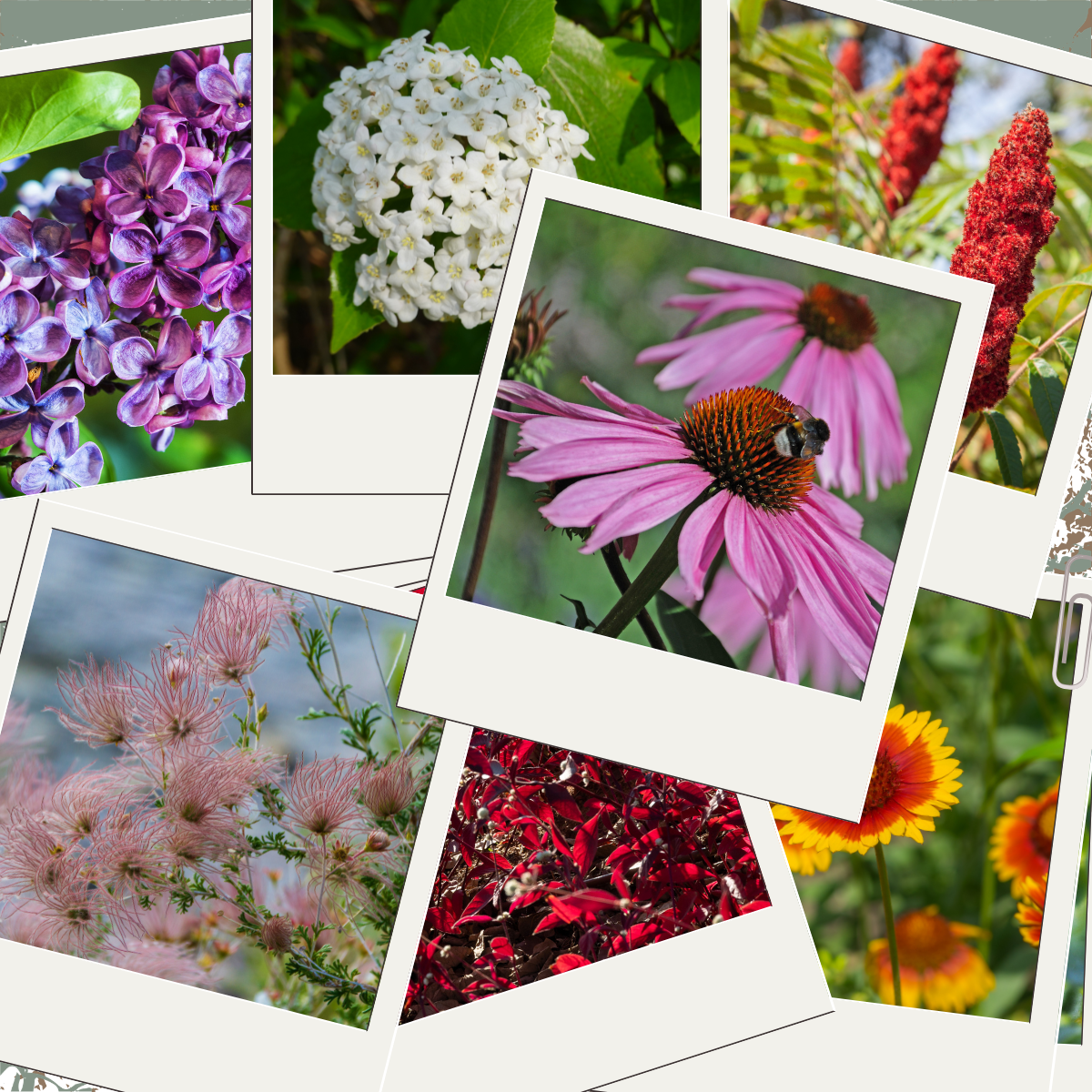
Popular xeric shrub choices include:
- Rabbitbrush (Chrysothamnus spp.)
- Apache Plume (Fallugia paradoxa)
- Threeleaf Sumac (Rhus trilobata)
- Sand Cherry (Prunus besseyi)
- Snowberry (Symphoricarpos albus)
- Common Lilac (Syringa vulgaris)
- Wayfaring Tree Viburnum (Viburnum lantana)
Add Color with Water-Wise Flowers
Modern xeriscape gardens can be full of color and seasonal interest. Colorado gardeners have access to a growing selection of native and adapted flowers that perform well with less water. These plants provide beauty while helping conserve water resources.
Examples of drought-tolerant perennials include:
- Blanket Flower (Gaillardia)
- Purple Coneflower (Echinacea purpurea)
- California Poppy (Eschscholzia californica)
- Ice Plant (Delosperma)
- Coreopsis
- Penstemon varieties
- Stonecrop (Sedum)
Many annual flowers can also be incorporated into water-wise landscapes, including zinnias, marigolds, vinca, verbena, and salvia.
Reduce Lawn Areas
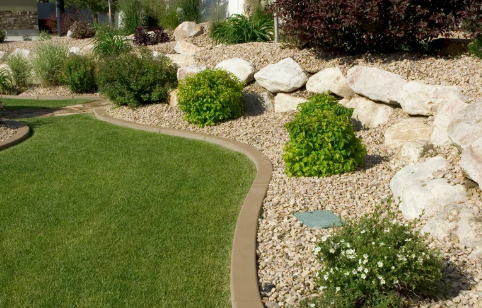
Traditional bluegrass lawns often require the most water in a landscape. Consider reducing turf to areas where it serves a practical purpose, such as recreation spaces or high-use areas. Replacing unused lawn sections with drought-tolerant plants, groundcovers, and mulched planting beds can significantly reduce outdoor water demand.
Water Smarter
Efficient irrigation is an important component of xeriscaping. Proper system design, regular maintenance, and irrigation audits can help reduce water use while maintaining healthy landscapes. According to Colorado State University Extension, proper irrigation practices may result in substantial water savings.
Benefits of Xeriscaping
A well-designed xeriscape can:
- Reduce outdoor water use.
- Lower maintenance requirements.
- Decrease fertilizer and chemical needs.
- Improve drought resilience.
- Support pollinators and wildlife habitat.
- Provide year-round beauty and interest.
Frequently Asked Questions
Does xeriscaping mean using only rocks and gravel?
No. Xeriscaping focuses on water-efficient landscaping and often includes trees, shrubs, flowers, ornamental grasses, and mulched planting beds. Extensive rock use alone is not considered xeriscaping.
Can a xeriscape still have flowers?
Absolutely. Many colorful annuals and perennials thrive in Colorado while using less water than traditional landscaping plants.
Do drought-tolerant plants need watering?
Yes. Most trees and shrubs require regular watering for at least the first two growing seasons while becoming established. Irrigation can often be reduced afterward.
What areas of my yard should I convert first?
Consider removing narrow grass strips, difficult-to-water sections, isolated turf islands, and low-use lawn areas first. These locations often provide the greatest opportunity for water savings.
Why is soil important in water conservation?
Healthy soil helps retain moisture, supports root growth, and reduces runoff, allowing plants to use water more efficiently.
Every Drop Counts
Water-wise landscaping helps conserve one of our community's most valuable resources while creating attractive outdoor spaces adapted to Colorado's climate. Through thoughtful planning, plant selection, and efficient irrigation, residents can enjoy beautiful landscapes while reducing water use.
Sources: 1874_001.pdf, 1882_001.pdf, and 1881_001.pdf.

